FleetAugust 12, 20267 min read
Light, midsize or heavy: choosing the right jet for the trip
Range, runway, baggage and cabin height decide the aircraft class. A short guide to matching the plane to the mission rather than the budget.
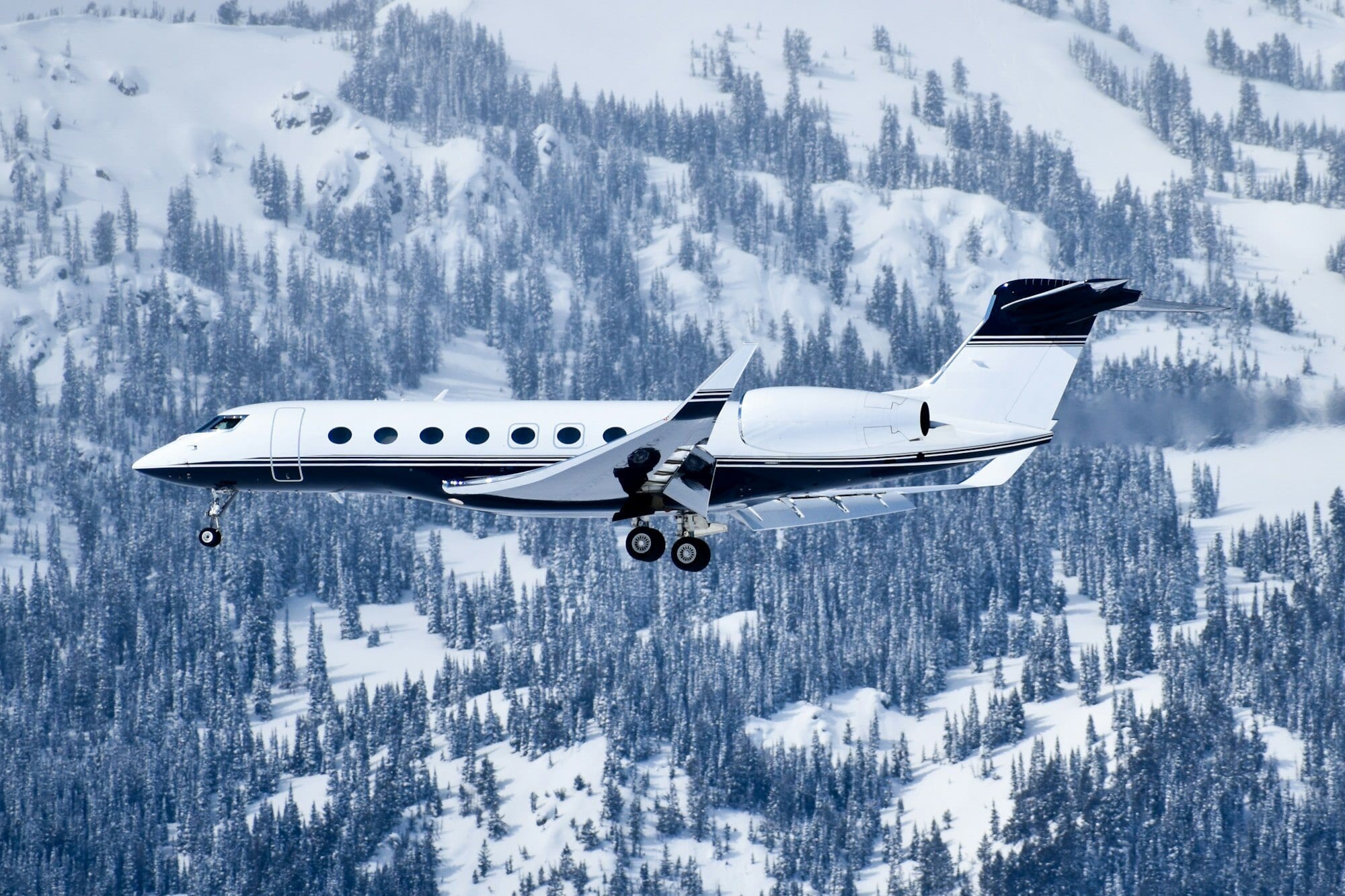
The right aircraft is the smallest one that does the whole job comfortably. Four questions decide it: how far, how many, how much luggage, and which runway.
Distance first. A light jet flies about 2,000 nautical miles, enough for New York to Miami or Los Angeles to Dallas without a stop. A super-midsize adds coast-to-coast non-stop. A heavy jet crosses the Atlantic, and an ultra-long-range aircraft crosses the Pacific. Flying a heavy jet on a 90-minute sector is possible but rarely sensible.
Cabin and baggage
Light jet cabins are around 4 feet 9 inches high; you sit for the flight. Midsize and larger cabins let you stand, and super-midsize and heavy cabins have flat floors and full galleys. Baggage follows the same ladder: 65–90 cubic feet in a light jet, 90–150 in a midsize, 170 and up in heavy jets. Skis and golf bags fit in most, but eight guests with ski bags push you to a midsize or larger.
Runway matters more than people expect. Aspen, Telluride, Nantucket and many island airports limit aircraft by wingspan, runway length or approach angle. Turboprops and certain jets (the Pilatus PC-24, Falcon 2000LXS and Falcon 8X among them) open airports others cannot use. Tell us where you are really going and we will match the aircraft to the strip.
By the Varsano Jets charter desk. Questions about your own trip? Ask an advisor.